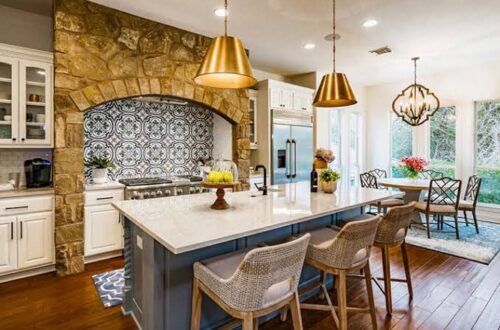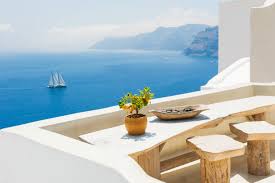
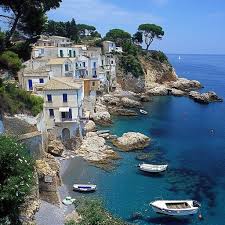
Coastal design has long been synonymous with summer—salt air, sun-bleached textures, and an easy sense of escape. Yet somewhere along the way, the style became diluted into predictable motifs: anchors, rope décor, overt nautical stripes, and an overreliance on bright blues and whites.
True coastal design, however, is far more nuanced.
It is not about decorating with the sea—it is about capturing its atmosphere. The softness of light, the erosion of materials, the quiet palette of sand, stone, and sky. When approached with restraint and intention, coastal influence becomes one of the most sophisticated and enduring design languages for summer.
Moving Beyond Nautical: A Shift in Perspective
The first step in elevating coastal design is abandoning literal interpretation.
Rather than asking, “How do I make this room look beachy?” the better question is:
“How does the coast feel, and how can that feeling be translated into space?”
This shift moves design away from theme and into experience.
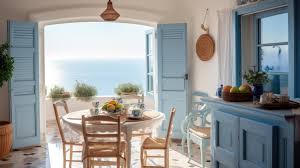
Think less about objects and more about the space being open and airy, natural wear and imperfection, and a palette inspired by the sun and sea.
The result is a space that feels quietly connected to the coast—without ever stating it outright.
Texture Over Theme
If there is one defining element of elevated coastal design, it is texture.
The coast is not visually loud—it is tactile. Surfaces are softened by wind, water, and time. Materials fade, fray, and patina. Translating this into interiors means prioritizing how a space feels to the eye and hand.
Some key materials to include:
- Linen and cotton: relaxed, breathable, and slightly imperfect
- Raw or weathered wood: pale oak, driftwood tones, or sun-bleached finishes
- Plaster and limewash walls: softly reflective, never harsh
- Natural fibers: jute, sisal, and woven grasses
When you layer these elements, it creates depth without clutter—an essential principle for achieving refinement.

A Softer Coastal Palette
The classic blue-and-white scheme has its place, but an elevated coastal design will expand far beyond it.
Look for these subtler tones of the shoreline:
- Sand, cream, and warm whites
- Weathered gray and driftwood brown
- Muted greens and sea-glass hues
- Occasional terracotta or sun-warmed clay
Using these colors, your space will seem more inherent rather than applied—as though they belong to the environment rather than decorate it.
And, a restrained palette also allows texture and light to take precedence, preventing the space from feeling overly styled.
Light, Air, and Negative Space
A key to creating a feeing of a coastal environment, is that it is defined as much by what is absent as by what is present.
Open horizons, uninterrupted light, and the movement of air all contribute to the experience. Interiors should reflect this through intentional restraint.
Some other design considerations to incorporate:
- Use sheer or minimal window treatments to allow light to diffuse naturally
- Avoid overfilling a space—leave room for light to move
- Arrange furniture to encourage flow rather than rigidity
Don’t view negative space as emptiness—it is breathing room, and it is essential to this aesthetic.
European Coastal Influence: A Study in Restraint
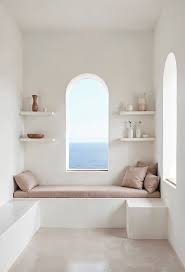
Some of the most compelling coastal interiors are found not in overtly themed spaces, but in the understated homes of the Mediterranean.
From the whitewashed walls of Santorini to the rustic elegance of coastal villas along the Amalfi Coast, these spaces embody a quiet confidence.
A few common threads to these themes include:
- Architectural simplicity (arches, thick walls, natural materials)
- Minimal ornamentation
- A reliance on local materials and craftsmanship
In this case, there is no need to “decorate” when the structure itself carries the aesthetic. But,…
Bringing Elevated Coastal Design Into Your Home
You may not have a home with these architectural details. To incorporate this approach into your own space, focus on editing rather than adding.
How to start:
- Replacing heavy fabrics with lighter, natural alternatives
- Simplifying color schemes to a cohesive, tonal palette
- Introducing one or two organic materials rather than many decorative objects
Please, consider how each element contributes to the overall feeling. Don’t force it, let it unfold, naturally. If it feels forced or overly thematic, it likely is.
Elevated coastal design is not about accumulation—it is about refinement.
Why This Approach Endures
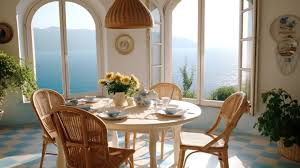
For any design trend, they come and go, but restraint, materiality, and light remain constant.
By moving beyond cliché, coastal design becomes less about summer as a season and more about a state of mind—calm, grounded, and connected to the natural world.
It is this quiet sophistication that ensures its longevity.
Thanks for reading.