Few photographers shaped twentieth-century visual culture with the precision and quiet sophistication of Irving Penn. Known for his minimalist compositions, masterful portraiture, fashion editorials, and still life photography, Penn helped redefine what professional photography could achieve artistically and commercially.
Over a career spanning more than sixty years, Penn produced images that balanced refinement with emotional depth. His photographs appeared in fashion magazines, museums, advertising campaigns, and galleries around the world, influencing generations of photographers, designers, and visual artists.
Today, his work remains celebrated for its clarity, technical perfection, and timeless sense of elegance.
Early Life and Artistic Training
Irving Penn was born in Plainfield, New Jersey, in 1917. From an early age, he showed an interest in drawing and design rather than photography itself. He later studied at the Philadelphia Museum School of Industrial Art under the influential designer and educator Alexey Brodovitch, who also mentored many important figures in twentieth-century visual culture.
Penn originally intended to pursue a career in painting and graphic design. This early training would profoundly shape his photographic compositions. Unlike many photographers of his era, Penn approached the camera with the eye of a designer — carefully balancing space, geometry, texture, and visual rhythm.
Before becoming widely known as a photographer, Penn worked in advertising and magazine design. His understanding of layout and editorial presentation later became central to his photographic style.
The Vogue Years
Penn’s career changed dramatically when he began working with Vogue in the 1940s. The magazine quickly recognized his exceptional ability to combine fashion photography with artistic sophistication.
At a time when fashion imagery often relied on elaborate settings and glamorous theatricality, Penn introduced restraint and simplicity. His photographs stripped away unnecessary distractions and focused attention on the clothing, form, posture, and personality of the subject.
One of his earliest Vogue covers featured an arrangement of accessories photographed with extraordinary compositional balance rather than a traditional fashion model portrait. This marked the beginning of a new visual language in editorial photography.
Penn would continue working with Vogue for decades, creating some of the most recognizable fashion photographs of the twentieth century.
Minimalism and the Power of Simplicity
Perhaps no characteristic defines Irving Penn’s work more than his use of simplicity.
Penn often photographed subjects against plain studio backdrops with controlled lighting and minimal props. Rather than reducing emotional impact, this simplicity intensified it. Every gesture, facial expression, fold of fabric, and line of posture became more visible and significant.
His photographs reveal an understanding that elegance does not require excess. Through careful composition and disciplined restraint, Penn created images that feel both modern and timeless.
This minimalist philosophy aligned closely with broader developments in twentieth-century art and design, including modernism, industrial design, and architectural minimalism.
Fashion Photography as Fine Art
Irving Penn helped elevate fashion photography beyond commercial illustration into a respected artistic discipline.
His editorial work combined:
- sculptural composition
- refined lighting
- graphic balance
- emotional subtlety
- extraordinary technical precision
Penn’s models rarely appeared overly theatrical. Instead, they often projected calm confidence, introspection, or quiet sophistication.
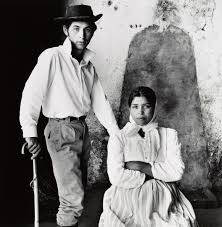
Throughout the 1950s and 1960s, Penn photographed many of the era’s most important fashion figures and models, helping define the visual identity of postwar fashion culture.
His photographs demonstrated that fashion imagery could possess intellectual rigor and artistic permanence while still serving commercial purposes.
Portraiture and Psychological Presence
Beyond fashion, Penn became one of the most respected portrait photographers of his generation.
He photographed an extraordinary range of cultural figures, including:
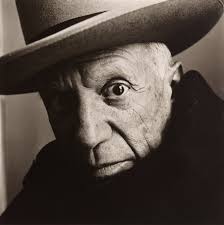
- Pablo Picasso
- Truman Capote
- Igor Stravinsky
- Audrey Hepburn
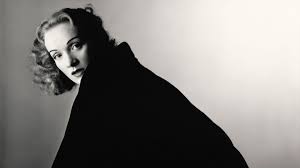
- Marlene Dietrich
- Georgia O’Keeffe
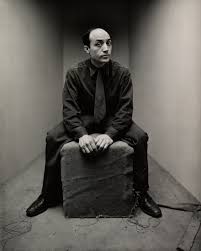
Penn’s portraits often emphasized psychological tension and individuality. He frequently positioned subjects in corners or confined studio spaces, creating subtle emotional intensity through body language and spatial relationships.
One of his most famous portraits, the photograph of Igor Stravinsky seated beside a grand piano, demonstrates Penn’s remarkable ability to balance abstraction and personality within a single frame.
Unlike heavily staged celebrity photography, Penn’s portraits often feel intimate and restrained. The viewer is encouraged to observe carefully rather than simply admire surface glamour.
Still Life Photography and Everyday Objects
Penn also transformed still life photography into a highly sophisticated art form.
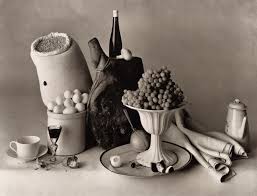
He photographed ordinary objects — cigarette butts, food scraps, flowers, glassware, fabric, and tools — with extraordinary care and compositional intelligence.
His still life work reflects many of the same principles found in his portraiture:
- precision
- structure
- texture
- tonal control
- visual balance
Even discarded or mundane objects became elegant studies of form and materiality under Penn’s camera.
This approach influenced not only fine art photography but also advertising, product photography, and editorial design throughout the late twentieth century.
Technical Mastery
Penn was deeply committed to craftsmanship and technical excellence.
He experimented extensively with:
- platinum-palladium printing
- tonal range
- lighting techniques
- print texture
- photographic paper surfaces
Unlike many photographers who relied heavily on assistants or commercial labs, Penn remained closely involved in the printing process. His dedication to print quality contributed significantly to the richness and longevity of his images.
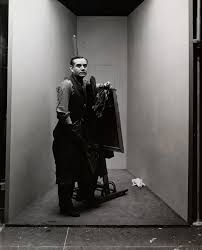
Many photography historians regard Penn as one of the greatest photographic printers of the twentieth century.
Cultural Influence and Legacy
Irving Penn’s influence extends far beyond photography itself. His visual language shaped:
- fashion editorials
- luxury advertising
- portrait photography
- magazine design
- minimalist visual branding
- contemporary fine art photography
Modern photographers continue to emulate his restrained compositions and emphasis on form, texture, and clarity.
Museums including the The Metropolitan Museum of Art and the Museum of Modern Art have exhibited Penn’s work extensively, recognizing his contribution not merely to commercial photography but to the broader history of modern art.
His photographs remain striking because they resist visual excess. Even decades later, they feel contemporary in their precision and emotional restraint.
The Enduring Appeal of Irving Penn
In an era saturated with fast-moving digital imagery, Irving Penn’s photography continues to stand apart for its patience, discipline, and intentionality.
His work demonstrates that simplicity can possess extraordinary power. Through careful observation and refined composition, Penn transformed fashion, portraiture, and still life photography into enduring forms of visual art.
Rather than chasing trends, he pursued clarity and permanence. As a result, his images continue to resonate with viewers across generations.
Irving Penn did not simply photograph people or objects. He distilled them to their essential visual presence.
Thanks for reading.
To support me, click here.
For my fiction stories, click here.