Introduction: The Shift Toward Lightness
There is a moment each year when interiors begin to feel heavy—when layered textures, dark tones, and enclosed spaces no longer comfort but confine. Spring design is the answer to that tension. It is not about redecorating entirely, but about rebalancing—introducing light, air, and softness into the spaces we inhabit.
Designing for spring is less about trend and more about atmosphere. It asks a simple question: how can a space breathe again?
1. Let There Be Light: The Foundation of Spring Interiors
Light is the most transformative element in any interior—and in spring, it becomes the focal point.
The goal is not simply to increase brightness, but to soften and diffuse light throughout the space. Heavy drapery gives way to sheer linens. Window treatments become minimal, allowing natural light to move freely and change dynamically throughout the day.
From a design standpoint:
- Replace dark or opaque curtains with sheer or light-filtering fabrics
- Use mirrors strategically to reflect daylight deeper into the room
- Opt for matte or lightly reflective finishes that enhance glow rather than absorb it
This approach echoes the philosophy of Claude Monet, whose work centered on capturing the fleeting qualities of light. In interiors, the same principle applies: light should feel alive, not static.
2. The Spring Palette: Softness Over Saturation
Spring color palettes are not simply “pastels.” They are carefully calibrated compositions of tone, temperature, and restraint.
Rather than overwhelming a space with color, spring interiors rely on layered subtlety:
- Warm whites and creams as foundational neutrals
- Pale greens and sage tones to evoke growth
- Blush, peach, and muted florals for warmth
- Hints of sky blue or lavender for balance
The key is cohesion. Colors should feel as though they belong to the same atmosphere, not competing elements.
This palette mirrors the sensibility found in Impressionist painting—particularly in the works of Claude Monet, where color is used to suggest light and movement rather than define rigid form.
3. Materials That Breathe: Texture and Tactility
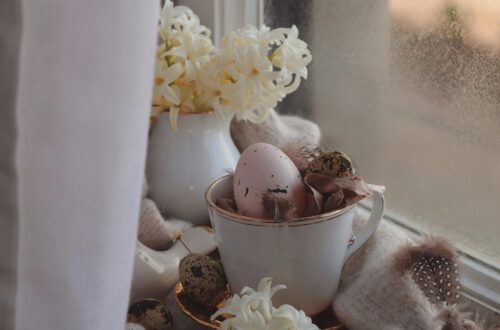
Spring interiors move away from density and toward tactility. Materials should feel organic, lightweight, and responsive to their environment.
This means:
- Swapping heavy upholstery for linen, cotton, and light weaves
- Incorporating natural woods with visible grain
- Adding rattan, wicker, or cane for texture without weight
Texture in spring design is subtle but essential. It replaces visual heaviness with sensory interest. A linen throw draped casually over a chair, a woven basket placed near a window—these elements create depth without clutter.
4. Bringing Nature Indoors: The Essence of Renewal
No element defines spring more clearly than nature itself.
But in refined interiors, botanical elements are curated—not excessive. The goal is intentional placement rather than abundance.
Consider:
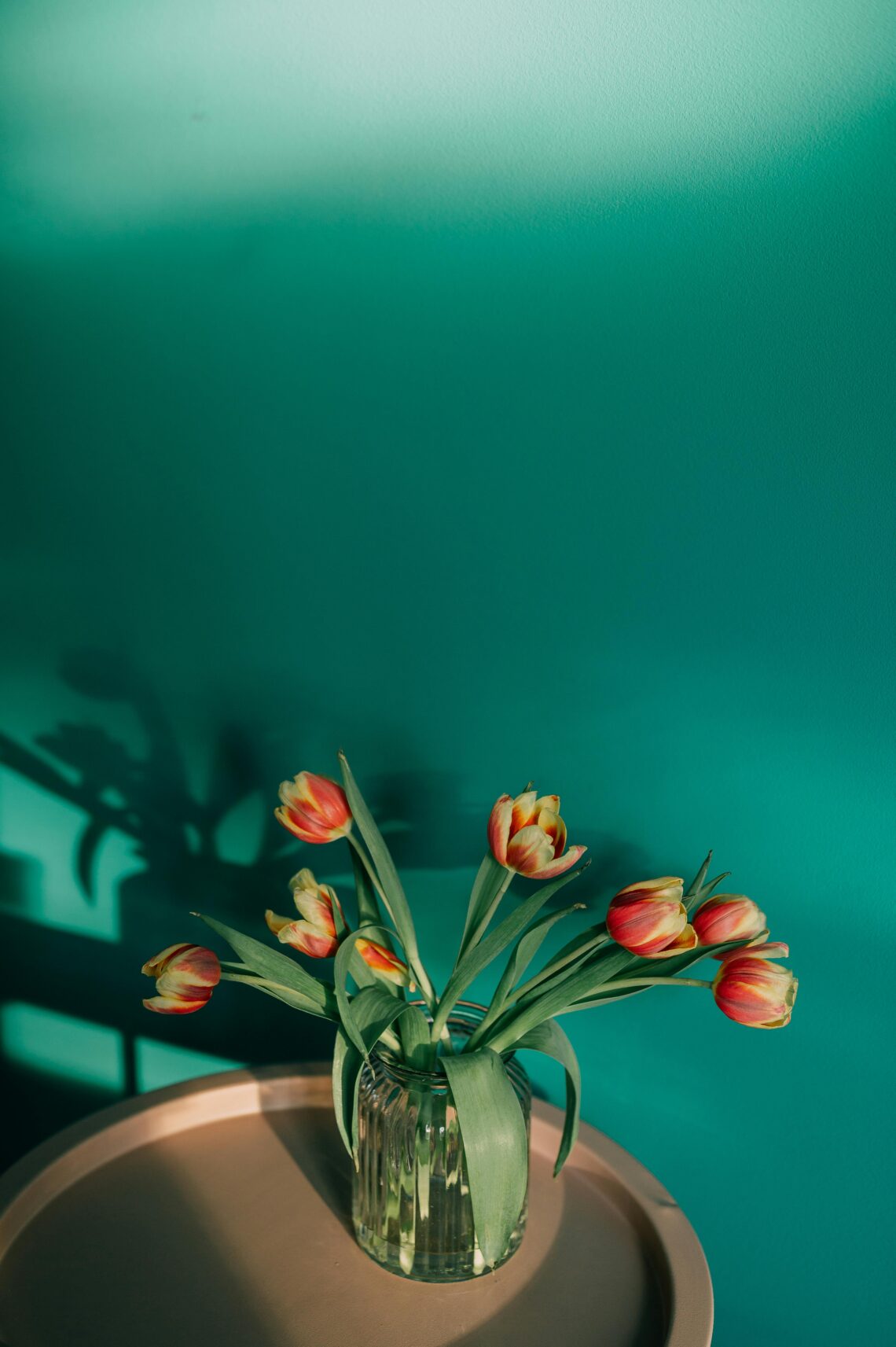
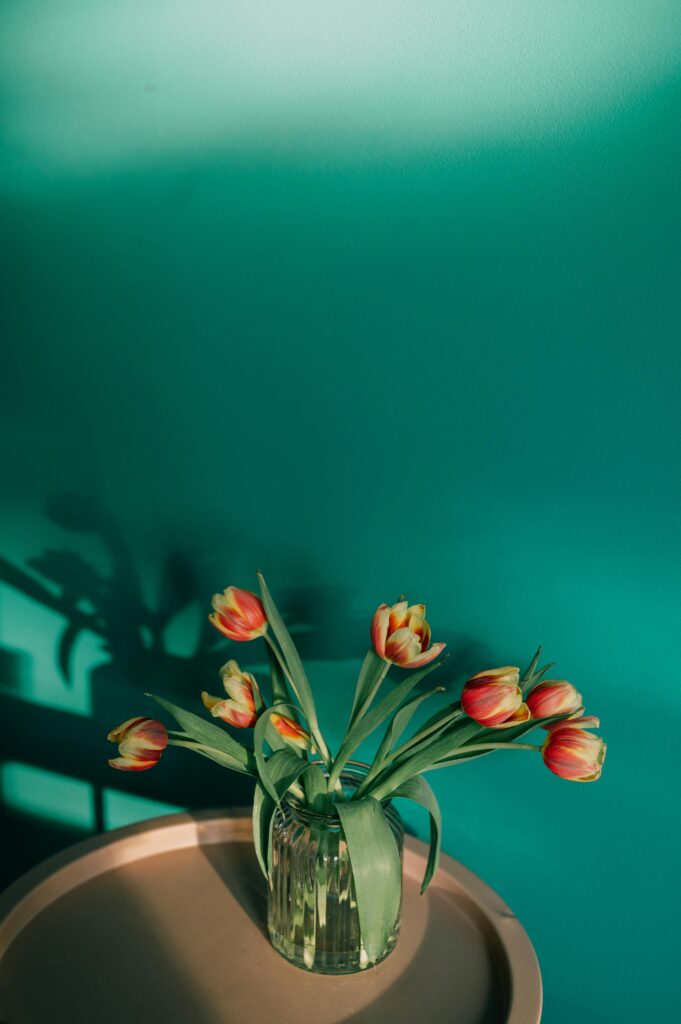
- A single arrangement of tulips or cherry blossoms
- A branch clipping in a ceramic or glass vessel
- A few well-placed potted plants with sculptural leaves
This approach aligns with biophilic design principles—bringing the outside in while maintaining balance and restraint. Nature becomes a focal point, not background noise.
5. Space as a Design Element: The Art of Air
Perhaps the most overlooked aspect of spring design is space itself.
Winter interiors often accumulate layers—textiles, decor, objects that create comfort. Spring invites a deliberate editing process.
Designers approach this by:
- Removing non-essential decor
- Creating negative space around key elements
- Allowing furniture to “float” rather than crowd walls
Air becomes part of the composition. The room is no longer filled—it is balanced. This principle is foundational in both modern design and traditional Japanese aesthetics, where emptiness is treated as a form of presence.
6. Styling with Intention: The Finishing Layer
The final layer of a spring interior is styling—small, intentional moments that complete the atmosphere.
Think in vignettes:
- A stack of books with a ceramic vessel
- A candle paired with a small floral arrangement
- A tray with glassware catching the afternoon light
These details should feel effortless, not staged. The guiding principle is restraint: each object earns its place.
Conclusion: Designing for Renewal, Not Replacement
Spring design is not about starting over. It is about revealing what was hidden—light behind heavy curtains, space beneath clutter, softness beneath saturation.
Like the seasonal shift itself, the transformation is gradual but profound. A room becomes lighter, quieter, more responsive. It begins to reflect not just the outside world, but a renewed state of mind.
In this way, designing for spring is less about aesthetics and more about alignment—bringing your interior environment into harmony with the rhythm of the season.
Thanks for reading
For more articles, click here.